
What is a Pull Dozer?
PULL DOZER GUIDE
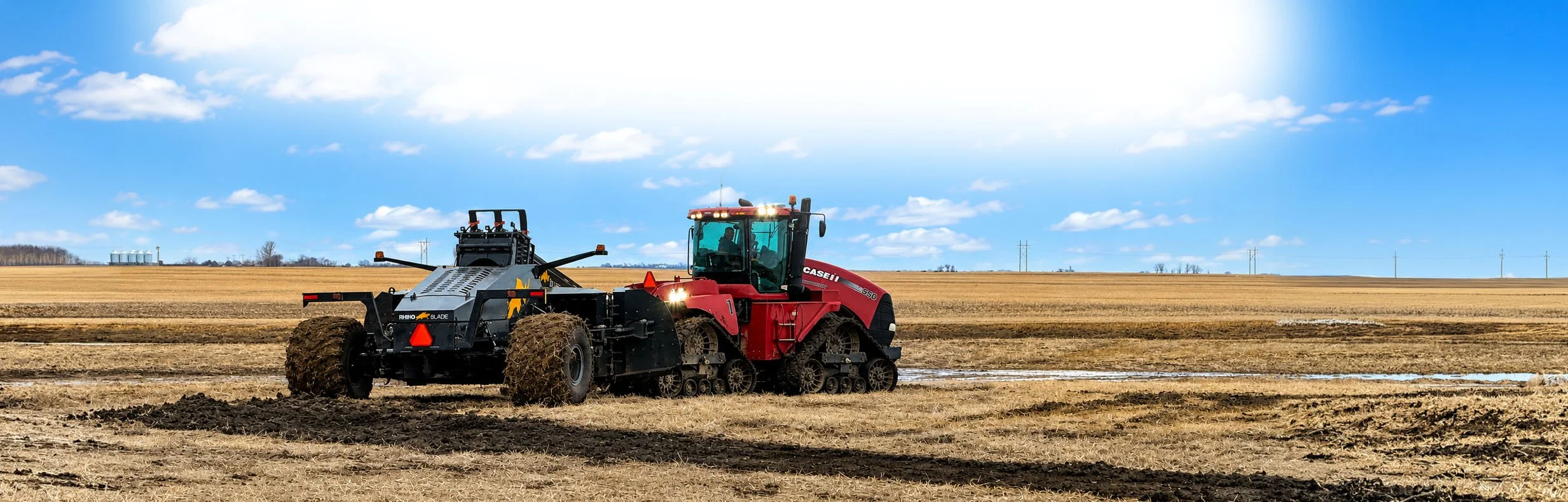
A pull dozer is a tractor-towed earthmoving implement used to cut, move, level and shape soil. It allows agricultural operators, contractors and landowners to use the power and mobility of a high-horsepower tractor for a wide range of earthmoving applications.
Pull dozers are commonly used for land levelling, agricultural drainage, ditch construction, road building, grading and land reclamation. Depending on the blade design, they can also gather, carry, spread or direct material as the tractor moves across the work area.
How Does a Pull Dozer Work?
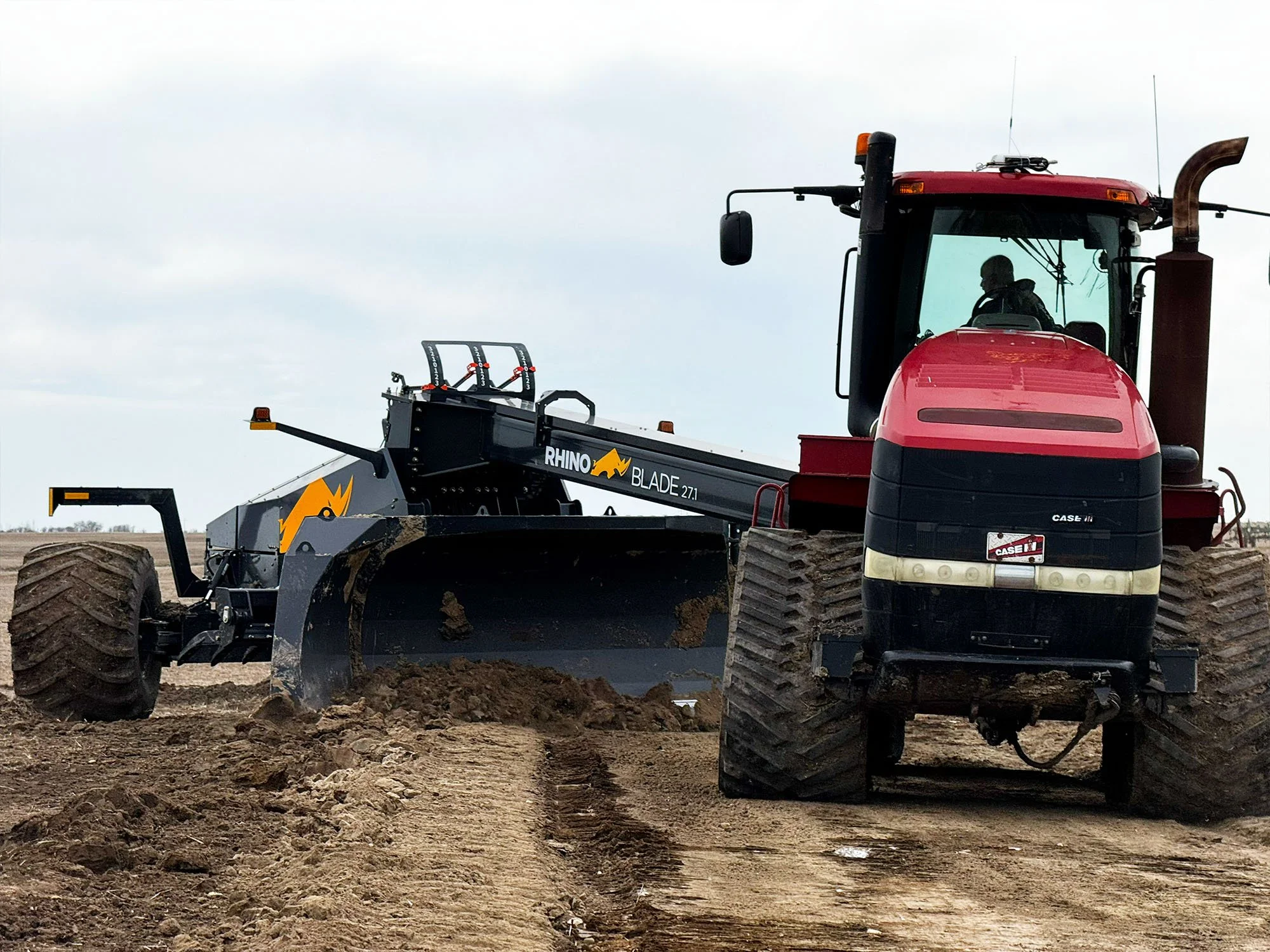
A pull dozer connects to the rear of a compatible tractor and uses a hydraulically controlled blade to cut into the ground. As the tractor moves forward, the blade collects and pulls soil from high areas toward lower areas or other locations where the material is needed.
The operator can raise, lower or tilt the blade to control cutting depth and grade. Some pull dozers use a fixed blade, while more advanced designs include adjustable wings, steering systems or other features that provide greater control over material placement.
Because the operator faces forward in the tractor, the pull dozer follows behind through the completed cut. This provides a clear view of the tractor’s path while the blade reshapes the ground behind it.
Common Pull Dozer Applications
Agricultural Land Levelling
Pull dozers can remove high spots, fill low areas and create a more consistent field surface. Land levelling can improve field access, support more predictable water movement and make agricultural land easier to manage.
Ditching and Drainage
A pull dozer can be used to establish, clean or reshape drainage ditches. Blade tilt and positioning help control the depth and slope of the ditch while moving excavated soil into the surrounding area.
Grading and Contouring
Pull dozers are used for rough grading, finish grading, crowning and contouring. They can shape farmland, rural properties, equipment yards and other large working areas.
Road and Yard Building
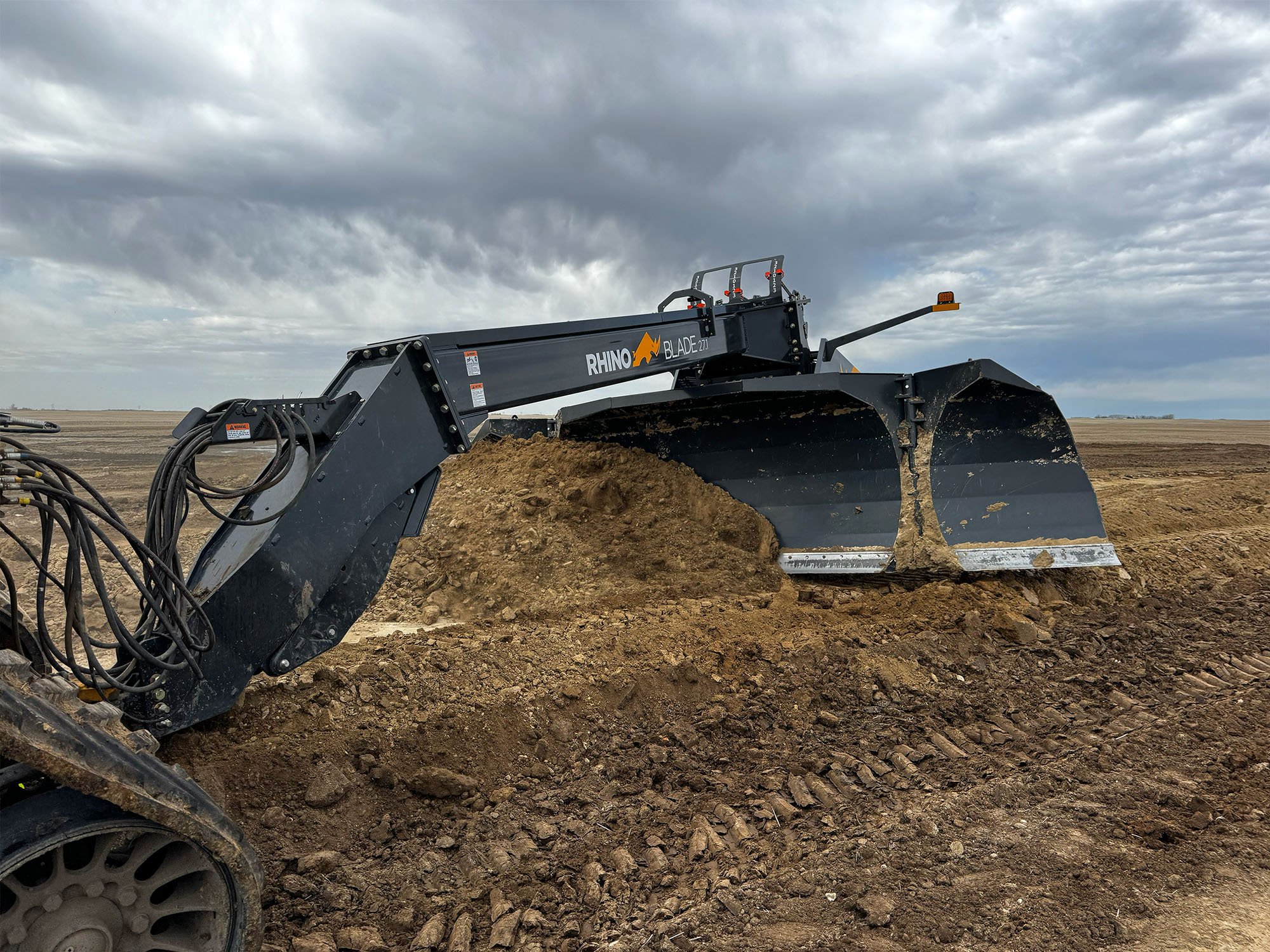
Farm roads, approaches, rural access roads and equipment yards require a controlled grade and effective drainage. A pull dozer can distribute material, establish a road crown and shape the surrounding surface.
Land Reclamation
Rough, uneven or poorly drained ground can often be improved through ripping, reshaping and levelling. Pull dozers are used in projects that return previously difficult land to a more practical or productive condition.
Material Moving
Pull dozers can relocate soil over a work area while grading and shaping it. The amount of material they can control depends on the blade configuration, machine size, tractor power, soil conditions and distance being travelled.
Pull Dozer vs. Bulldozer
A bulldozer is a self-propelled machine that normally uses tracks and a front-mounted blade to push material. A pull dozer uses an agricultural tractor to pull a blade positioned behind it.
Bulldozers are well suited to demanding excavation, pushing and land-clearing work. Pull dozers are often selected for broad agricultural areas and land-shaping projects where tractor mobility, field travel and controlled grading are important.
Neither machine is best for every application. The right choice depends on the terrain, soil conditions, required digging depth, material-moving distance and equipment already available to the operator.
Pull Dozer vs. Scraper
A scraper uses a bowl to cut, load, carry and unload material. It is especially useful when soil must be transported over a longer distance within a project.
A pull dozer is more focused on cutting, levelling, grading and shaping the land while moving material across the immediate work area. It may provide greater flexibility for ditching, contouring and finish work, depending on its blade design.
Scrapers and pull dozers can sometimes be used together. The scraper handles longer-distance material hauling, while the pull dozer completes shaping, drainage and finishing work.
What Should You Consider When Choosing a Pull Dozer?
Tractor Compatibility
The tractor must have sufficient horsepower, weight, traction, hydraulic capacity and an appropriate hitch for the pull dozer being considered.
Blade Design
Fixed blades are effective for straightforward levelling and grading. Adjustable-wing designs provide more options for gathering, spreading, windrowing and directing material.
Steering and Maneuverability
A steering system can help the pull dozer follow sharper turns, work near field boundaries and operate offset from the tractor.
Ground Preparation
Integrated rippers can loosen compacted or hard ground before the blade begins moving and shaping the soil.
Working and Transport Width
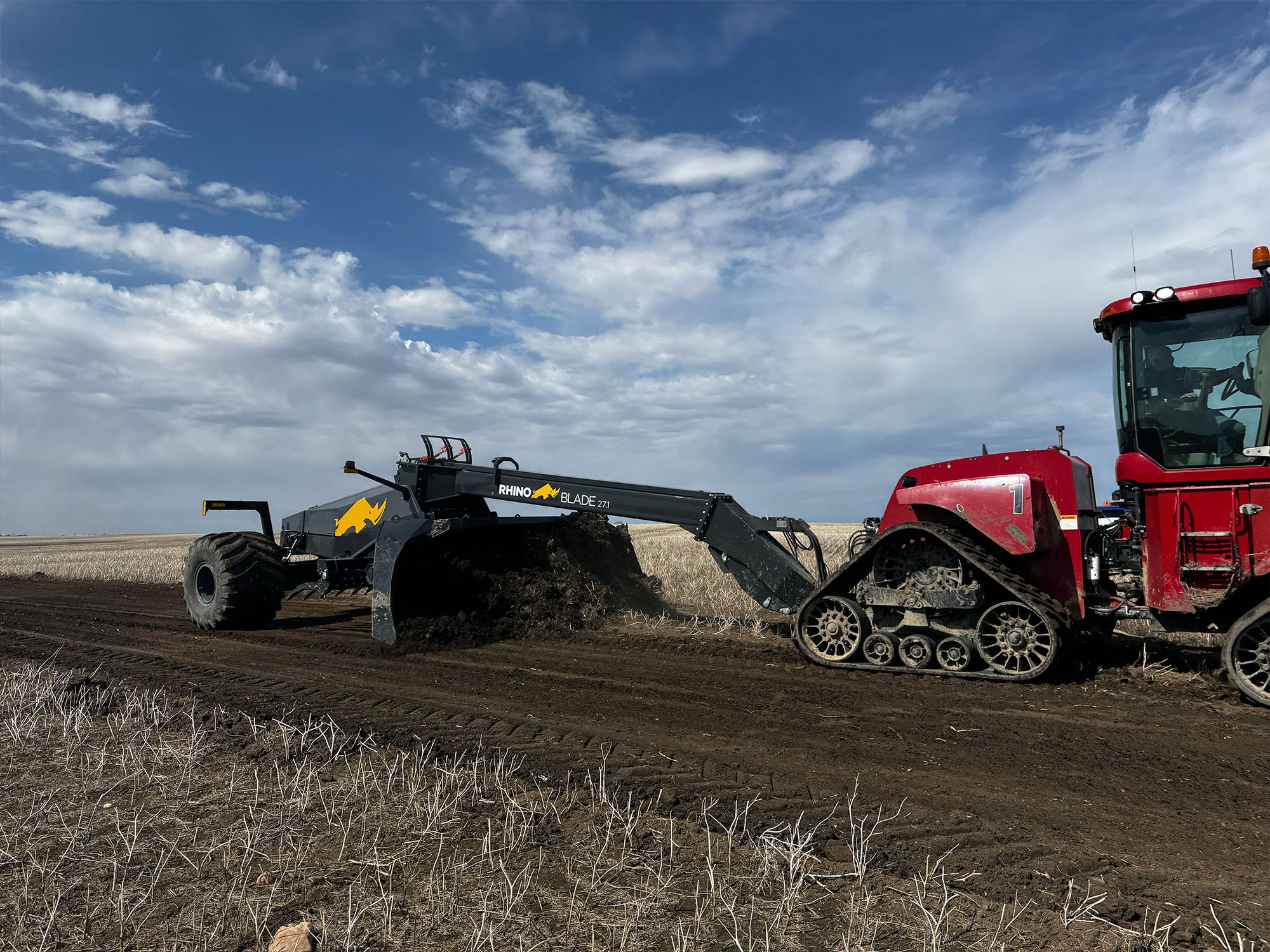
A wide blade increases coverage in the field, while the transport configuration determines how easily the machine can be moved between locations.
Grade-Control Compatibility
GPS-ready mounting points can support precision levelling and grading systems when projects require more closely controlled elevations.
Applications
Consider the complete range of work the machine will be expected to perform. A versatile pull dozer may be used for levelling, ditching, ripping, grading, road building and reclamation rather than one specialized task.
The Rhino Blade™ Approach
Rhino Blade™ is a heavy-duty pull dozer designed for 500+ HP tractors and demanding agricultural earthmoving. Its patented Dynamic Wings control how material is gathered and distributed, while steerable tires improve maneuverability and allow the machine to operate offset from the tractor.
Integrated rippers, heavy-duty construction and a GPS-ready design allow Rhino Blade™ to handle land levelling, ditching, grading, reclamation and material-moving applications with one machine.
Tell us about your tractor, terrain and planned applications. We can provide additional product information and help determine whether Rhino Blade™ is suitable for your earthmoving requirements.